






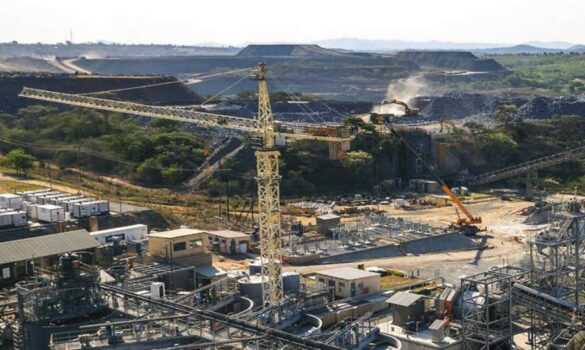
Premier African Minerals is under mounting financial pressure at its Zulu Lithium project in Zimbabwe, with the London-listed miner reporting US$60.4 million in current liabilities against just US$781,000 in cash as it seeks fresh funding to move the project towards sustainable production.
The company, which released its unaudited interim results for the six months ended June 30 on Wednesday, said its immediate priority remained supporting Zulu Lithium while dealing with outstanding creditors and meeting the group's working capital requirements.
Premier recorded a US$6.87 million loss for the six months, compared with a US$7.69 million loss in the corresponding period last year, while operating activities consumed US$5.25 million in cash.
The financial position leaves the company heavily dependent on new capital, project-level financing and the successful implementation of arrangements involving its Zulu Lithium project.
Premier managing director Graham Hill said the company would prioritise Zulu Lithium following an agreement reached with Chinese technology company Canmax Technologies, subject to the availability of funding.
“Zulu Lithium is the principal operational focus of the Group and, following the conclusion of an agreement with Canmax Technologies Co. Ltd, our primary capital allocation objective will be to ensure that Zulu Lithium is appropriately supported, subject to available funding, and positioned to progress towards sustainable production,” Hill said.
The company reported US$48.22 million of its current liabilities as amounts associated with its offtake and prepayment agreement, while trade creditors accounted for another US$7.89 million. Accrued and payroll-related liabilities stood at US$1.46 million, with other current liabilities adding US$2.81 million.
Several creditors linked to the Zimbabwe operations remain unpaid.
J R Goddard Contracting (Private) Limited, one of the company's creditors, has agreed to refrain from further enforcement action until September 30 while Premier works on a proposed fundraising, share issue and sale process. The company said it intended to make as substantial a payment as possible to JRG during the standstill period, although it could not guarantee the amount or timing.
Premier also disclosed that £1.73 million, plus applicable interest, remained outstanding and in default under a loan facility provided by George Roach. The company said approximately US$300,000 had been allocated towards interest payments, while discussions over repayment were continuing and legal action was being considered if an acceptable arrangement could not be reached.
At Zulu Lithium, a further US$192,398 remains outstanding under a judgment in favour of Pick Glow Trading, trading as Glow Petroleum. The project has been unable to maintain previously agreed monthly payments of US$40,000, leaving the judgment enforceable.
Premier also reported an outstanding balance of ZAR15.94 million owed by Zulu Lithium to Environmental and Process Technologies (Pty) Ltd, with discussions underway over repayment.
The company said these creditors did not represent the full extent of its outstanding obligations and disclosed additional liabilities involving the Zimbabwe Revenue Authority, including VAT deferments connected to imported plant and machinery and unpaid statutory deductions.
Related Stories
Outstanding amounts are also owed to certain employees and consultants at Zulu Lithium and Premier, according to the company.
The disclosures come as Premier attempts to secure the financing required to complete and operate Zulu Lithium, which remains its principal operational asset.
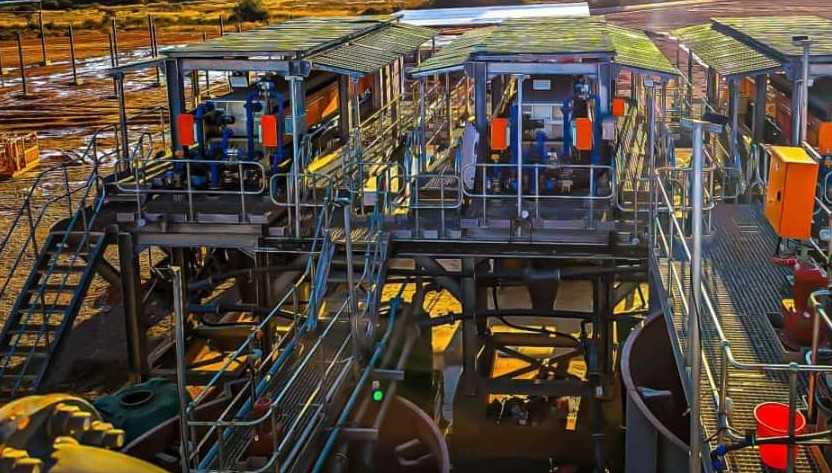
The company said several possible routes remained open, including bringing Zulu into full production, securing funding from a secondary offtake partner, selling the project in its entirety, bringing in an investment partner through a partial sale, entering into a joint venture, or installing an additional spodumene flotation plant using project-generated funding while retaining ownership.
Premier said its assessment of going concern was dependent on a number of these outcomes being achieved.
At June 30, the group's total assets stood at US$62.43 million against total liabilities of US$60.92 million, leaving net assets of only US$1.51 million. Current liabilities, however, exceeded current assets by US$60.56 million.
The company said the largest component of that imbalance was the US$48.22 million advance received from its offtake partner, which is expected to be settled through proceeds from Zulu's production or, if not repaid by December 31, 2026, through the issue of shares in Zulu based on a US$100 million market valuation.
Premier warned that if none of its proposed investment options materialised, or if shareholders failed to provide the necessary authority for additional capital raising, the company could face a material uncertainty over its ability to continue as a going concern.
The funding pressure has also increased the potential dilution facing shareholders. Premier said its proposed authority to issue up to 58.63 billion shares had initially been illustrated using a reference price of 0.016 pence per share, but its share price had subsequently fallen materially.
The company said lower market prices would reduce the amount of capital it could raise from a given number of shares while increasing the dilution associated with equity financing.
Premier raised £550,000 before expenses through an issue of four billion new ordinary shares in July, while Canmax converted approximately US$628,000 of accrued interest into equity through the issue of 2.77 billion shares earlier that month.
Canmax subsequently extended the long-stop date on its arrangements with Premier to December 31, 2026, according to the interim report.
Despite the financial pressure, Premier said it intended to reduce its direct funding burden by seeking strategic partners and other forms of project financing rather than relying exclusively on equity at company level.
The company also plans to be more selective with its wider mineral portfolio, saying it will protect strategically important assets while seeking partners or transactions for projects that have a credible route to production or value realisation.







Leave Comments